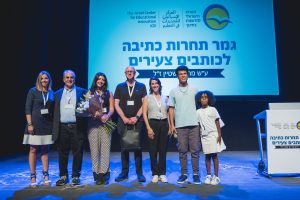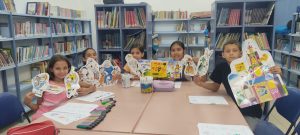
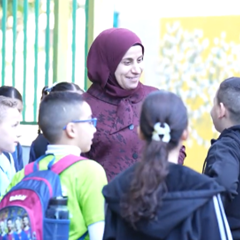

We warmly congratulate the Al-Mutnabi School in Umm el-Fahm, and its principal, Montaha Igbariya, on receiving the Haifa District Education Prize, awarded by Israel’s Ministry of Education in recognition of outstanding educational excellence and leadership.
We are equally proud to congratulate Principal Aida Zait and the Omar Ibn al-Khattab Elementary School in Jisr al-Zarka on earning the Haifa District “Trailblazing Principal” award, recognizing innovative, high-impact school leadership and exceptional educational achievement.
Tamkin’s Literacy and Leadership Joint Venture in Arab Elementary Schools at the Halfway Mark
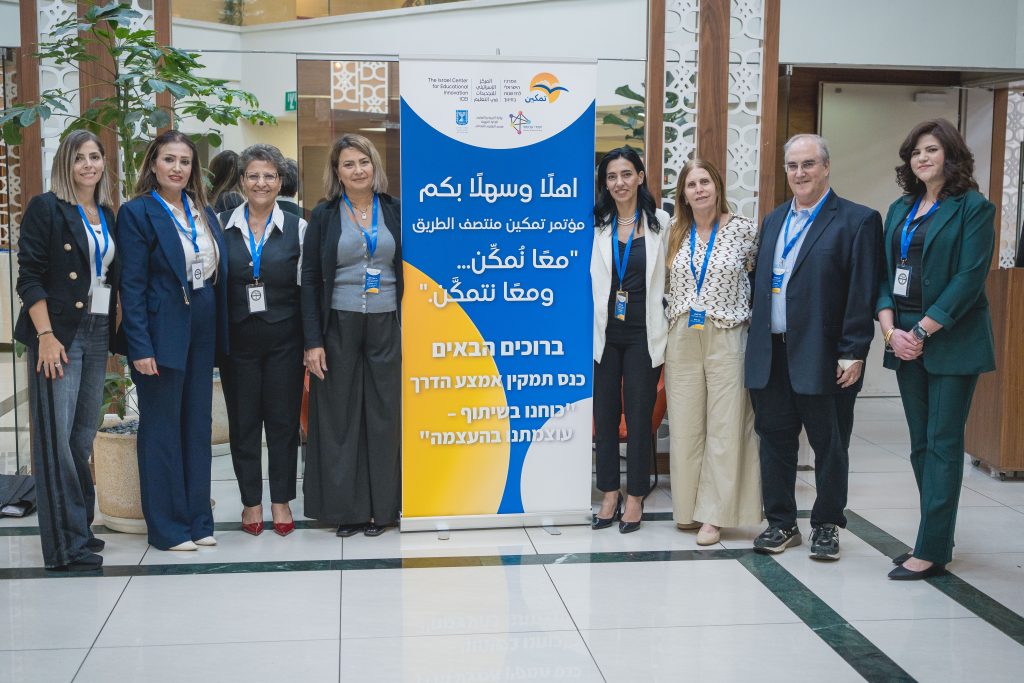
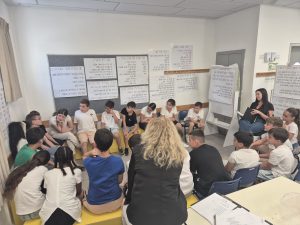
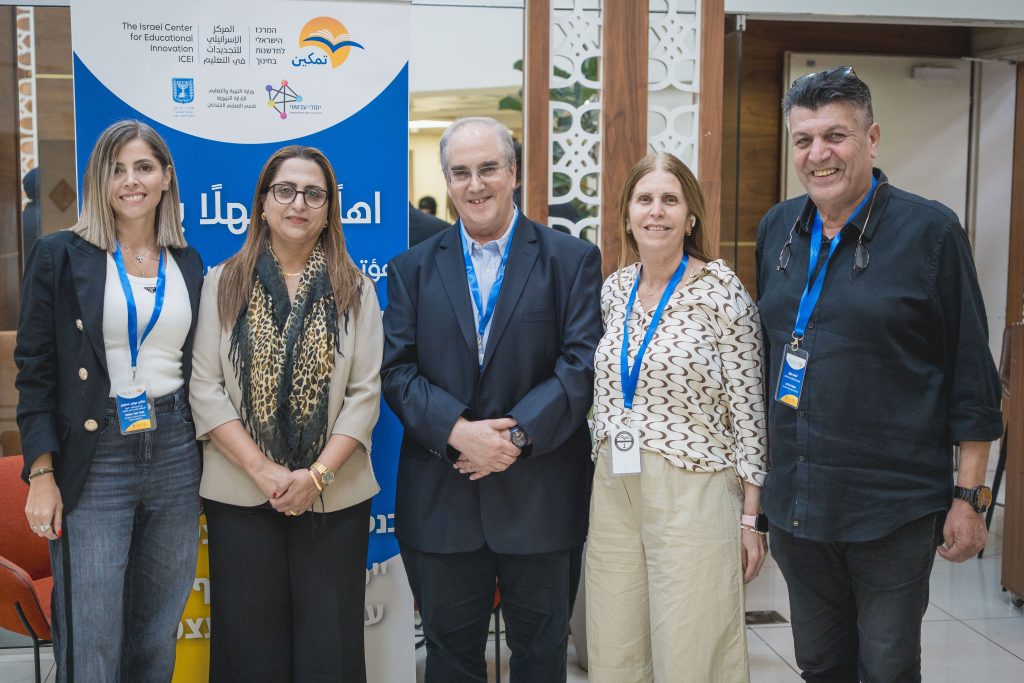
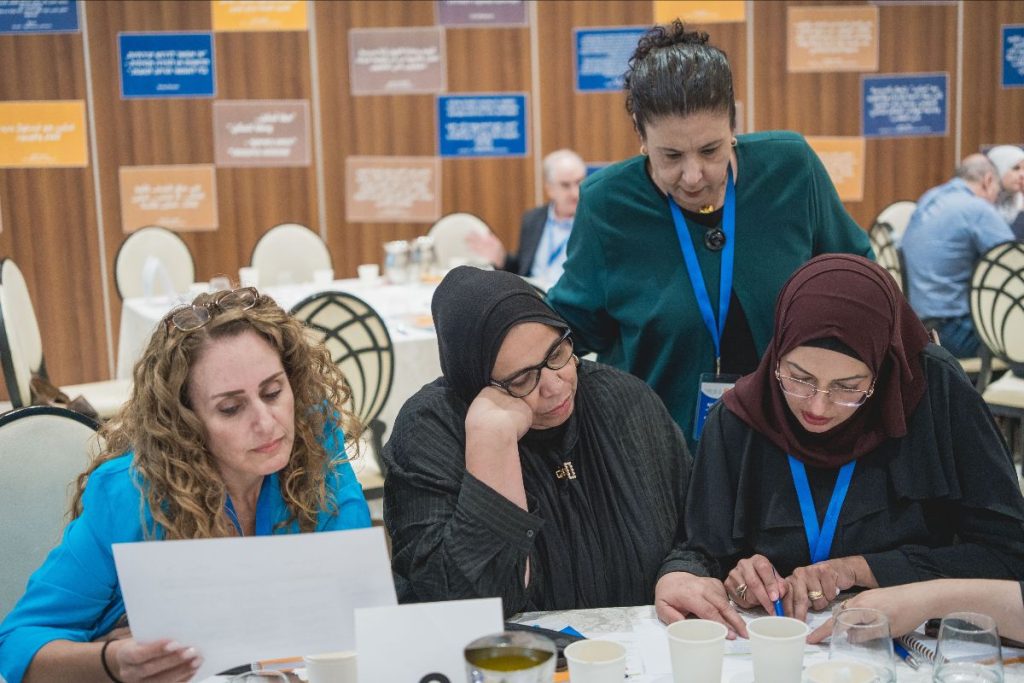
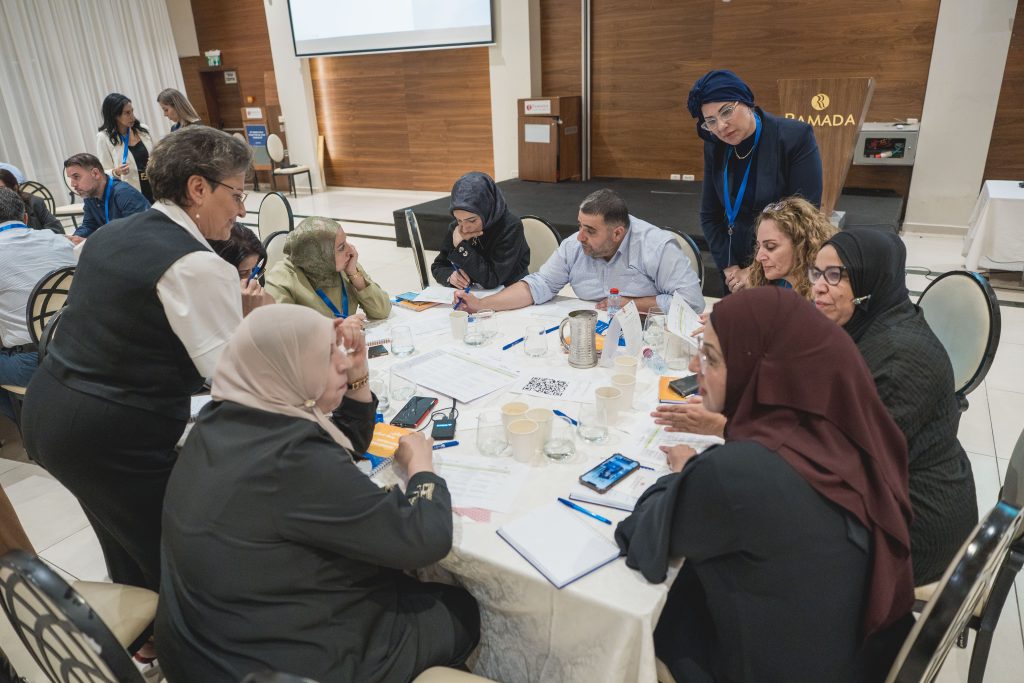
This fall marked the midpoint of Tamkin, a multi-year joint venture expanding ICEI programming in Arab schools throughout Israel. Educators came together to celebrate how this work is already reshaping classrooms and school communities and to discuss the program’s continued growth. Attendees included Ministry of Education leaders including Hana Lalush, Director of the Department of Elementary Education, Dr. Shirin Natour Hafi, Director of the Department of Arab Education, and Amira Chayan, Director of the Arab Education Division within the Elementary Education Department, along with school principals, ICEI Deputy Director Saly Awad Asfour, and ICEI CEO Don Futterman.
Tamkin represents the Ministry of Education’s largest investment in any joint venture to improve Arab elementary education to date, and is the first joint venture between ICEI and the government. Working closely with all levels of the Ministry and the Ministry of Social Equality, as well as municipalities and school communities, ICEI has been able to reach over 3,000 students this year, and the early results are striking.
Why Literacy and Why Now?
For Principal Shirin Maharav of Alzahara Elementary School in Lod, the urgency is clear. Her school serves grades 1–6 and has faced significant staff turnover. She described how her teachers were able to stay focused because they had shared ground to stand on.
“We’ve been in a troubling situation for a long time,” Maharav said. “Tamkin gives us a pedagogical foundation that kept us strong. In fact, new staff meant new opportunities for growth and leadership.”
She spoke passionately about what literacy provides for children:
“As long as we can help kids build a strong command of their language, they can believe in themselves and believe they have options in life. Literacy skills are the most basic skills they need.”
She described constantly searching for programs that make real progress. Tamkin, she said, has felt aligned with her school’s core purpose:
“It gives them a basis of language, which shapes their abilities, knowledge, and identity.”
Progress That Speaks for Itself
The data shows striking progress. One school began the year with just 9% of first graders able to identify letters. By year’s end, 87% demonstrated reading fluency, with other schools reaching as high as 92% fluency.
In second grade, the number of students performing at grade level rose by 12% in reading and writing, and by 14% in reading comprehension compared to the previous year. By third grade, the shift is visible not only in overall scores but in the distribution of achievement.
Partnership Across the System
Ministry leaders described Tamkin as part of a broader strategy to strengthen outcomes in Arab schools.
Hanna Lalush, Director of the Department of Elementary Education, said she was moved to hear about the changes that principals and teachers have seen during the past two years. She called Tamkin “a belief that we can make a difference,” noting that it supports not only students but the adults around them.
Dr. Shirin Natour Hafi, Director of the Department of Arab Education, explained that students’ mastery of Arabic, their mother tongue, is key to strengthening human capital, supporting learning, and building social cohesion.
She described literacy as the base that prevents dropouts and opens the way forward:
“It’s been said that Israel is made up of divided tribes,” she reflected. “But there’s also the tribe of educators, who can look beyond division to care about all kids.”
Looking Ahead
Even at the halfway point, the Tamkin initiative is growing and adapting. Some schools have already expanded Tamkin into fourth grade with the help of specialized literacy coaches.
Speakers also emphasized the importance of continued collaboration among principals, supervisors, teachers, families, and municipalities.
As the gathering came to a close, one message resounded: when educators have the tools to teach language deeply, children gain the power to express who they are — and to imagine where they can go next.